Ethiopia Army Promises Restraint Amid Rising Tensions
Ethiopia’s federal military announced it would handle growing unrest in the north with restraint, while accusing Eritrea of funding rebel groups. The conflict, now spreading beyond Tigray into Afar and Amhara, threatens the 2022 peace agreement and raises fears of a broader regional war.
By Felo News Desk · Published
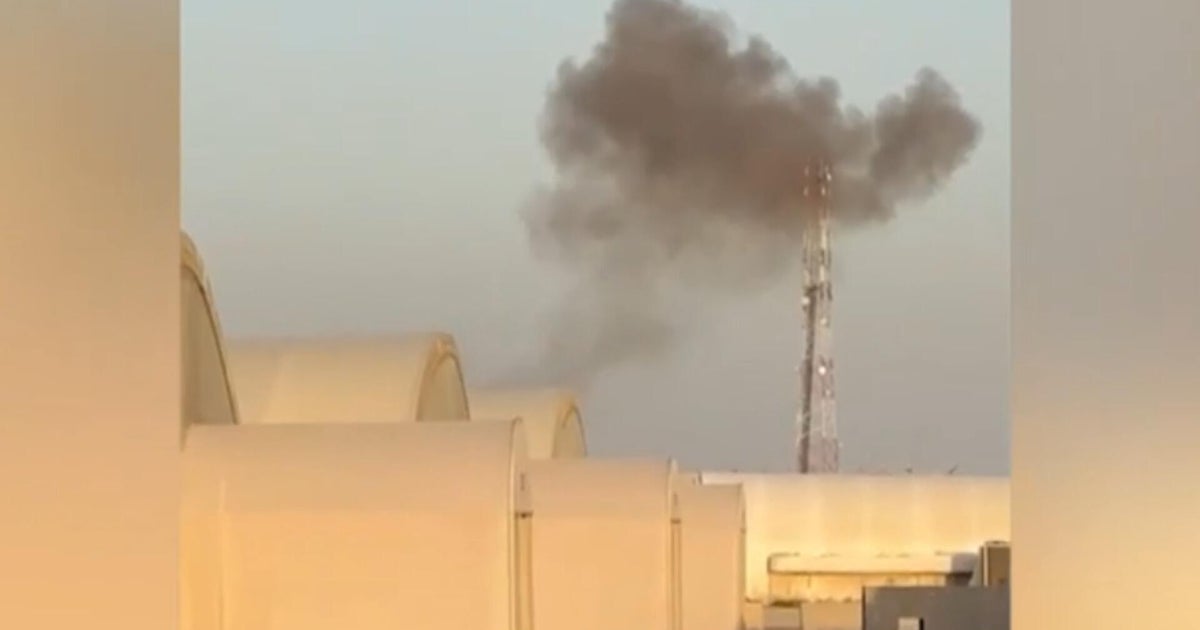
The Ethiopian federal army has pledged to respond to escalating violence in the north with "wisdom and restraint," a statement that comes amid growing concern that the country could slide back into a full‑scale civil war. Field Marshal Berhanu Jula, the army chief of staff, said the forces were reacting to provocations from the Tigrayan front and accused Eritrea of financing and supporting armed groups that seek to weaken Ethiopia. The claim comes as fighting has spread from the Tigray region into neighboring Afar and Amhara, with the Ethiopian Peoples’ Forces Alliance for Survival – a coalition of seven armed groups – openly declaring its intent to topple Prime Minister Abiy Ahmed’s government.
Background: The 2022 Pretoria Agreement and Its Fragile Legacy
In 2022, the Pretoria Agreement brought an end to a brutal two‑year war in Tigray, establishing a ceasefire and a framework for political reconciliation. However, the agreement has been under severe strain since the outbreak of renewed hostilities in late 2023. The federal government’s restrictions on fuel, supplies and cash to Tigray, coupled with its failure to set up the promised interim administration, have been cited by scholars as key factors undermining the peace deal. The absence of Tigray from national elections has further deepened grievances and created a political vacuum that armed groups can exploit.
Eritrea’s Alleged Role and Regional Security Concerns
Berhanu Jula’s accusations against Eritrea highlight a longstanding rivalry between the two landlocked neighbors. Eritrea, wary of Ethiopia’s potential moves to secure Red Sea access, denied any involvement in the conflict. The Ethiopian army’s claim that Eritrea is funding the Tsimdo alliance – an extension of hostile coalitions – adds a new dimension to the already tense regional security environment. Analysts warn that if Eritrea’s involvement is confirmed, it could trigger a broader regional conflict involving multiple armed groups across Ethiopia.
Current Frontlines and Military Operations
The fighting has intensified in several key areas:
- Afar Region: Battles around Abala have seen the army attempting to prevent rebels from seizing control.
- North Wollo (Amhara): The army reported killing 272 Tigrayan fighters and wounding 260 in a counter‑offensive, inflicting heavy losses on the Tigray People’s Liberation Front (TPLF).
- Alamata and Surrounding Towns: Government forces are reportedly closing in on Alamata, with fighting continuing around Sama, Soqota, and Raya Alamata.
The TPLF’s Tigray Army has described the federal government’s campaign as a “full‑scale offensive,” involving infantry, mechanised units, and drones. Internet access across northern Ethiopia was reportedly cut on Friday, a day after the United Nations expressed alarm over drone attacks on civilians. These disruptions have hampered communication and increased uncertainty among civilians caught in the crossfire.
International Reactions and Future Outlook
Internationally, the situation has drawn renewed scrutiny. Washington recently lifted sanctions on Ethiopia and Eritrea that were tied to atrocities from the previous war, citing the end of a “national emergency.” However, the current escalation threatens to undermine the 2022 peace framework and could invite external actors to intervene. Ethiopia’s president addressed the UN General Assembly, framing the country as a stabilizing force in the region while accusing unnamed external actors of meddling. The United Nations and other international bodies are closely monitoring the situation, with calls for a return to dialogue and restraint.
As the conflict continues, the prospects for a swift resolution remain uncertain. The army’s commitment to restraint may help prevent a broader civil war, but the underlying political and security grievances that fueled the 2022 agreement remain largely unresolved. The international community’s role in mediating a durable peace will be critical in determining whether Ethiopia can avoid another devastating conflict.
Key facts
- Ethiopia’s army vows restraint amid north‑regional tensions
- Accusations of Eritrean support for rebel groups
- Fighting now extends beyond Tigray into Afar and Amhara
- International scrutiny and potential for broader conflict
- Resolution depends on addressing political grievances
Why it matters
The conflict threatens Ethiopia’s fragile peace, risks regional destabilization, and poses severe humanitarian challenges for millions of civilians.
Frequently asked questions
What is the Pretoria Agreement?
A 2022 ceasefire and peace framework that ended the two‑year war in Tigray.
Why is Eritrea accused of supporting rebels?
The Ethiopian army claims Eritrea funds and supplies armed groups that oppose the federal government.
How is the conflict affecting civilians?
Internet outages, drone attacks, and ongoing battles have disrupted daily life and increased humanitarian needs.
What steps are being taken internationally?
The UN has expressed concern, while the US has lifted sanctions, signaling a shift in diplomatic engagement.
Sources
- [1] aljazeera.com — originally reported as “Ethiopia’s army promises restraint amid fears of new civil war”