Brief
Yale study shows stress hormone cortisol sharpens emotional memories
Researchers gave participants hydrocortisone and used fMRI to track how stress hormones alter brain communication during memory formation.
By Felo News Desk · Published
Scientists at Yale University report that cortisol, a stress hormone, modifies brain networks to make emotional memories stronger, according to a study published in Science Advances on Oct. 16, 2026.
What happened
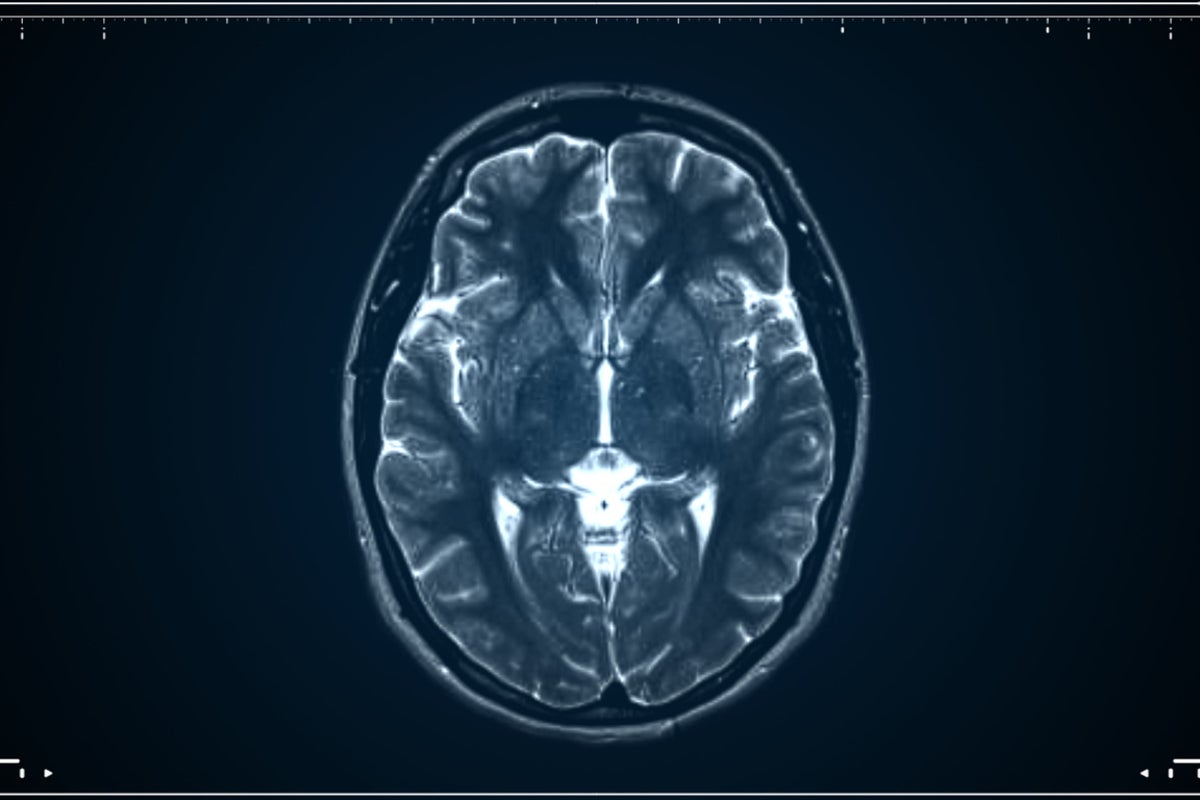
The team administered either hydrocortisone, a synthetic form of cortisol, or a placebo to volunteers, then showed them a series of pictures while scanning brain activity with functional MRI. Participants rated the emotional intensity of each image, and the researchers measured changes in blood flow and oxygenation across regions involved in emotion and memory.
What the reports add
ScienceDaily notes that the experiment revealed increased connectivity between the amygdala, which processes emotions, and the hippocampus, the core memory center, when cortisol was present. The study also identified altered activity in prefrontal areas that help evaluate the significance of an experience. These network changes, the article says, help explain why stressful events are often remembered more vividly than neutral ones.
What was said
"We all experience stress, and my lab is interested in understanding how stress can be helpful," said Elizabeth Goldfarb, the study’s corresponding author and an assistant professor of psychiatry and psychology at Yale School of Medicine, as quoted by ScienceDaily.
Goldfarb added, "Forming memories for emotional experiences involves different processes in the brain: first, perceiving an experience as emotional or intense, and second, encoding that experience into long-term memory."
How it came about
The research builds on earlier work showing that cortisol can boost memory for emotionally charged events in both humans and rodents. By separating the perception of emotional significance from the encoding phase, the Yale team aimed to pinpoint where cortisol exerts its effect. The findings complement prior studies on brain organization, such as Yale’s own investigations into how different brain regions interact during stress, and relate to broader inquiries into memory mechanisms featured in recent Felo News coverage.
Key facts
- Cortisol strengthens emotional memories by increasing connectivity between the amygdala and hippocampus. (sciencedaily.com)
- Participants received hydrocortisone or placebo and viewed pictures while undergoing fMRI scanning. (sciencedaily.com)
- The study was published in Science Advances on Oct. 16, 2026. (sciencedaily.com)
Sources
- [1] sciencedaily.com — originally reported as “Yale scientists discover how stress changes the brain to make memories stronger”