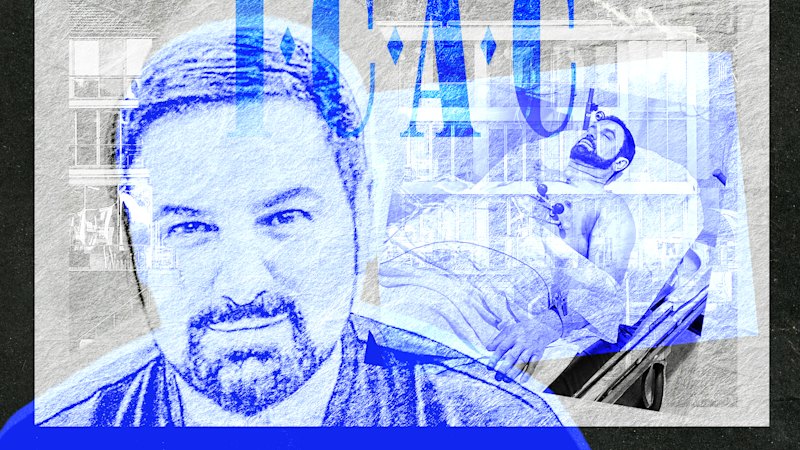
California parents demand cameras in special education classes after alleged teacher abuse
Parents of special‑needs children in California’s Central Valley are calling for statewide legislation that would require cameras in special education classrooms. The push follows reports that a kindergarten teacher may have abused three of their children, sparking petitions in Bakersfield and Visa…
In the summer of 2025, parents of three special‑needs children in the Central Valley learned that their children may have been physically abused by their kindergarten teacher. The revelation came after Visalia Police contacted the family with evidence that the teacher, Lacie Ann Horsting, could have committed child‑abuse. The case was later dismissed when the one‑year statute of limitations expired, but the incident has ignited a statewide movement for mandatory classroom cameras in special‑education settings.
What Happened in Bakersfield and Visalia
Two online petitions have gathered momentum in the two largest school districts in the region. The Bakersfield City School District petition has already collected more than 12,800 signatures, while the Visalia Unified School District petition has surpassed 2,700. Both campaigns are led by parents who argue that children who cannot speak for themselves need a reliable, objective record of what occurs in their classrooms.
Brittney Camacho, a mother of three, said she never imagined abuse could happen at her children’s school. She shared that one of her daughters has echolalia, a condition that causes her to repeat words and phrases, and that the other two children are nonverbal. “Cameras are so, so important because these children don’t have a voice,” she told EdSource. “From our experience, putting a child’s safety in the hands of adults’ word of mouth has failed our children.”
In September 2025, Visalia Police investigated Horsting after receiving child‑abuse reports from the 2024‑25 school year. The Tulare County District Attorney’s Office filed ten misdemeanor child‑abuse charges in April, but the case was dismissed when the statute of limitations expired. Horsting denied the allegations and cried outside the courthouse earlier this year.
Why Parents Are Calling for Cameras
Parents argue that children with special needs are especially vulnerable. Without a way to monitor what happens in real time, they fear that abuse or neglect could go undetected. Ashley Hopwood, a mother of nonverbal children, created the Bakersfield petition. She explained that parents are anxious about what their kids might be experiencing when they’re away from home. “Without proper monitoring, children who are already vulnerable due to their disabilities are at a heightened risk for neglect or abuse,” Hopwood said.
In addition to safety, parents see cameras as a tool for educators. By reviewing footage, teachers could adapt their strategies to better meet each child’s needs. This dual purpose—protecting children and enhancing instruction—has helped the petitions gain traction among families who feel unheard.
Legal and Legislative Hurdles
California’s 1976 law prohibits recording devices in classrooms unless the teacher and principal give consent. The Bakersfield City School District cited this law as a potential obstacle to a statewide mandate. The California Teachers Association (CTA) previously used the law to oppose mandatory live online instruction during remote learning. However, CTA board member Angela Normand said the union has no official position on cameras in special‑education classrooms.
For a statewide requirement to be enacted, the California Legislature would need to amend the 1976 law or pass a new statute. The petitions have already attracted the attention of state lawmakers, and several legislators have expressed interest in reviewing the issue. If passed, the new law would set standards for camera placement, data retention, and privacy protections to balance safety with respect for students’ rights.
What Comes Next?
Lawmakers are scheduled to hold a public hearing on the proposed legislation next month. Parents and advocacy groups plan to testify, sharing personal stories and expert opinions. Meanwhile, the Bakersfield and Visalia petitions will continue to grow as more families sign up. The outcome of the hearing could set a precedent for other states grappling with similar concerns about special‑education safety.
Until a law is passed, schools in the Central Valley will continue to rely on the existing 1976 law and local policies. Many parents are urging districts to adopt interim measures, such as voluntary camera installation or increased oversight, while the legislative process unfolds.
Why it matters
Special‑needs children often lack the ability to communicate distress, making them vulnerable to abuse. Cameras could provide an objective safeguard and help educators tailor instruction to each child’s unique needs.
Key points
- Three special‑needs children in Central Valley schools may have been abused by a teacher
- Petitions in Bakersfield and Visalia have gathered over 15,000 signatures
- California’s 1976 law restricts classroom recording without consent
- Parents argue cameras would protect vulnerable children and aid teaching
- Legislative hearings are scheduled to address the issue
- The outcome could influence statewide policy and set a precedent for other states
Frequently asked questions
What does the 1976 California law say about classroom cameras?
The law prohibits recording devices in classrooms unless the teacher and principal give consent, and it has been cited as a potential obstacle to statewide camera mandates.
Why are parents calling for cameras in special‑education classrooms?
Parents believe that children who cannot speak for themselves need an objective record of what happens in their classrooms to protect them from abuse and to help teachers tailor instruction.
What is the current status of the teacher alleged to have abused the children?
The teacher, Lacie Ann Horsting, faced ten misdemeanor child‑abuse charges in April, but the case was dismissed when the one‑year statute of limitations expired.
Will the new law affect all classrooms in California?
The proposed legislation would specifically target special‑education classrooms, but it would require amendments to the existing 1976 law to allow mandatory camera installation.