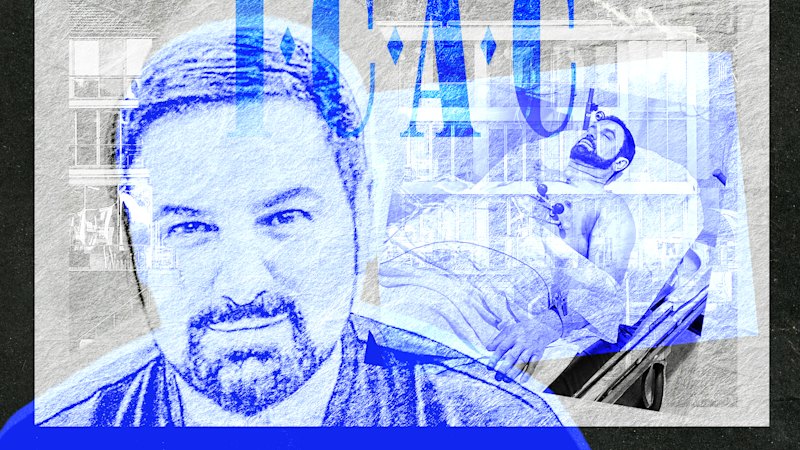
One of Charles Manson’s cult followers has died in prison
Bruce Davis, a former member of Charles Manson’s cult who was convicted of two murders in 1969, died on Friday while serving a life sentence in California. His death comes after repeated parole denials by Governors Newsom, Schwarzenegger and Brown. Davis’s case highlights the long‑term legal reperc…
On Friday, the California Medical Facility in Vacaville confirmed the death of Bruce Davis, a former follower of the infamous cult leader Charles Manson. Davis, who had been serving a life sentence for two murders committed in 1969, passed away after a prolonged period of incarceration. The Solano County coroner’s office reported the death to ABC News, marking the end of a life that began with notoriety and ended behind prison bars.
Background: The Manson Family Murders
The Manson Family murders of 1969 shocked the nation with a series of brutal killings that included the murder of actress Sharon Tate and six others. While Davis was not involved in the Tate murders, he was convicted for the killings of musician Gary Hinman and stuntman Donald "Shorty" Shea. These two murders were part of a broader pattern of violence that the cult inflicted on its victims, often involving weapons such as swords and knives.
During a 2014 parole hearing, Davis admitted to holding a firearm while Manson attacked Hinman with a sword and cut Shea with a knife. He also revealed that after the Hinman homicide, other members of the group used the victim’s blood to write “political piggy” on a wall—a chilling detail that underscores the cult’s twisted symbolism.
Parole Attempts and Denials
Over the decades, Davis applied for parole multiple times. Despite recommendations from the parole board, the appeals were consistently rejected by three California governors: Jerry Brown, Arnold Schwarzenegger, and Gavin Newsom. The repeated denials reflect the severity of the crimes and the state's stance on the Manson Family’s legacy.
In 2014, during his parole hearing, Davis expressed a desire to be “Charlie’s favorite guy,” a statement that highlighted his continued loyalty to Manson even after decades behind bars. The parole board’s decision to deny him release was grounded in the seriousness of the murders and the potential risk to society.
Life in Prison and Final Days
After the 1969 murders, Davis was sentenced to life imprisonment. He spent the majority of his life in California’s prison system, with his final days spent at the California Medical Facility in Vacaville. The facility, which provides medical care to inmates with serious health conditions, confirmed his death on Friday.
While the exact cause of death was not disclosed, the coroner’s office noted that Davis had been in the facility for an extended period. His death marks the final chapter in a life that began with the infamous Manson cult and ended behind prison walls.
Legacy and Aftermath
Charles Manson himself died in prison in 2017 at the age of 83, leaving behind a legacy of violence and notoriety. Davis’s death adds another layer to the ongoing narrative of the Manson Family’s impact on American society. The case remains a stark reminder of the lasting consequences of criminal actions and the legal system’s response to them.
Law enforcement records confirm that Davis was not involved in the separate 1969 murders of Sharon Tate and the other six victims. His conviction was strictly tied to the Hinman and Shea murders, which were distinct from the more widely known Tate killings.
As the legal and public discourse continues to examine the Manson Family’s crimes, Davis’s death serves as a final point of reference for the long‑term ramifications of the cult’s violent actions.
What Happens Next?
With Davis’s passing, the focus shifts to the broader implications for the Manson Family’s legacy. The California Department of Corrections and Rehabilitation will likely update its records, and the case may be referenced in future discussions about parole policies and the treatment of long‑term inmates. The public and legal communities may also revisit the historical context of the 1969 murders as part of ongoing efforts to understand and prevent similar acts of violence.
While the death of a single inmate may seem a small event in the grand scheme, it underscores the enduring impact of the Manson Family’s crimes on the criminal justice system and society at large.
Why it matters
Bruce Davis’s death highlights the lasting consequences of the Manson Family’s violent legacy and the legal system’s handling of such crimes. It serves as a reminder of the enduring impact of these historical events on modern society.
Key points
- Bruce Davis, a former Manson cult member, died while serving a life sentence in California.
- He was convicted of the 1969 murders of Gary Hinman and Donald "Shorty" Shea, not the Sharon Tate killings.
- Repeated parole attempts were denied by Governors Brown, Schwarzenegger, and Newsom.
- His death occurs after decades of incarceration, reflecting the long-term legal repercussions of the Manson murders.
- The case underscores the broader legacy of the Manson Family in American criminal history.
Frequently asked questions
What were Bruce Davis’s crimes?
Davis was convicted of the murders of musician Gary Hinman and stuntman Donald "Shorty" Shea in 1969, separate from the Sharon Tate killings.
Why was his parole denied?
The parole board’s recommendations were rejected by three California governors due to the severity of the murders and potential risk to society.
Where did he die?
He died at the California Medical Facility in Vacaville, a state-run medical prison.