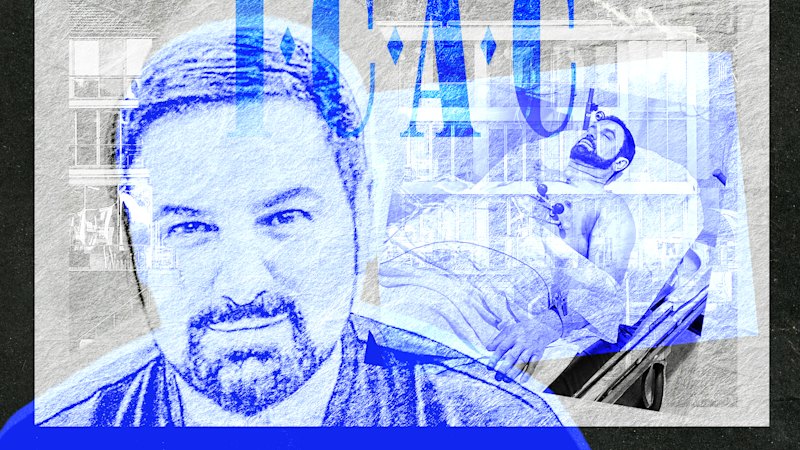
Andrew Hastie and Pauline Hanson: Is Hastie a hero for tackling Hanson? It’s complicated
Andrew Hastie’s delayed rebuttal of Pauline Hanson’s cartoon has ignited a debate over political accountability and media‑driven outrage. The clash illustrates how social media amplifies transgression cycles and redefines political villains and heroes. The story also highlights the broader context…
In late September, a seemingly simple cartoon by Pauline Hanson’s One Nation party—labeling former senator Andrew Hastie a “traitor”—set off a chain of reactions that exposed the mechanics of modern political outrage. Hastie, a veteran and long‑time critic of One Nation, took weeks to respond, eventually condemning the cartoon as a cowardly attack on a former soldier. His retort, framed as a defense of Australian soldiers’ standards, positioned him as a moral counterweight to Hanson’s rhetoric.
The Rise of the Outrage Cycle
Social media has turned every misstep into a potential viral story. The cycle typically begins with a perceived transgression, followed by demonisation of the accused, a backlash from supporters, and finally a re‑branding of the original villain as a hero to a different audience. This pattern, long present in politics, has been accelerated by platforms that reward sensational content.
In the case of Hastie and Hanson, the cartoon was the spark. Hanson’s party has long used provocative imagery to rally its base, and the “traitor” label was intended to delegitimize Hastie’s military credentials and political stance. Hastie’s delayed response—an uncommon tactic in the instant‑reaction world—allowed the narrative to evolve before he could set the record straight.
One Nation’s Transformation and the Pickering Episode
Hastie’s confrontation is not isolated. Earlier this year, One Nation’s Victorian leader, Warren Pickering, faced allegations of past drug use. The party’s response—publicly addressing the claims and framing Pickering as a reformer—illustrated a shift toward a more polished, media‑savvy image. This move coincided with the recruitment of a former Scott Morrison adviser, signalling an attempt to broaden appeal beyond the party’s traditional base.
Pickering’s narrative, however, raised questions about hypocrisy. While One Nation champions strict drug policies, the leader’s past became a focal point for critics. The episode highlighted the tension between personal redemption stories and the party’s hardline platform.
Hastie’s Defense and the Broader Political Context
Hastie’s critique of Hanson extended beyond the cartoon. He has previously challenged One Nation’s stance on immigration and questioned the party’s support for policies that, in his view, undermine the welfare of vulnerable groups. His remarks about the “politics of hate” and his call for higher standards for Australian soldiers underscored his commitment to a disciplined, respectful public discourse.
In a recent social media video, Hastie referenced the controversial UK speech by Enoch Powell, drawing a parallel between rhetoric that inflames public sentiment and the tactics employed by some Australian politicians. His willingness to confront such comparisons head‑on demonstrates a readiness to hold political figures accountable, even when it risks alienating certain voter blocs.
The Impact on Public Perception and Policy
Hastie’s stance has resonated with voters who value integrity and respect for the military. His comments about Pauline Hanson’s remarks on Anthony Albanese’s mother and the broader theme of “nastiness” in politics have sparked a conversation about the role of civility in public debate. While Hanson’s popularity remains high, her increasingly aggressive rhetoric may eventually alienate moderate supporters.
Government social media policies aim to reduce outrage by limiting the spread of inflammatory content. Yet the persistence of “nastiness” in political discourse suggests that these measures may not fully counteract the cultural shift toward sensationalism. The question remains: can the cycle of outrage be reversed, or has it become entrenched in the Australian political landscape?
What Happens Next?
As the debate continues, both Hastie and Hanson face scrutiny from their respective parties and the public. Hastie’s willingness to engage in respectful dialogue could position him as a bridge between divergent political factions, while Hanson’s future moves will likely determine whether her brand of hardline politics can sustain its current support base.
Ultimately, the clash between Hastie and Hanson serves as a microcosm of the broader struggle over media influence, political accountability, and the evolving nature of public outrage in Australia.
Why it matters
The exchange highlights how social media amplifies political narratives, shaping public perception and influencing policy debates. Understanding this dynamic is crucial for voters, policymakers, and media consumers alike.
Key points
- Andrew Hastie’s delayed rebuttal of Pauline Hanson’s cartoon sparked a national debate on political outrage.
- The outrage cycle—transgression, demonisation, backlash, re‑branding—has been accelerated by social media.
- One Nation’s recent transformation, including Warren Pickering’s redemption narrative, shows a strategic shift toward mainstream appeal.
- Hastie’s broader criticism of Hanson’s rhetoric underscores concerns about civility and the “politics of hate.”
- Government social media policies aim to curb outrage, but the entrenched nature of sensationalism remains a challenge.
Frequently asked questions
Why did Andrew Hastie wait weeks to respond to Pauline Hanson’s cartoon?
Hastie likely used the delay to formulate a measured response, ensuring his rebuttal addressed the broader implications of the cartoon rather than reacting impulsively.
What is the significance of One Nation’s hiring of a former Scott Morrison adviser?
It signals an attempt to broaden the party’s appeal and adopt a more polished media strategy, moving beyond its traditional hardline image.
How does the outrage cycle affect Australian politics?
It creates a rapid escalation of narratives that can redefine political villains and heroes, often simplifying complex issues into binary good‑vs‑evil stories.